
Healthy Cat Food make: A Step-by-Step Guide
Healthy Cat Food make: A Step-by-Step Guide Cats are meat-eaters by nature, and sadly, 40% of cats are overweight. Making your own homemade cat food can greatly improve their health. How to make cat food When you make DIY cat food, you pick what goes into it. This means your cat gets the right stuff like taurine, omega-3s, and vitamins. This guide will show you how, with feline nutrition tips and easy recipes. Key Takeaways Benefits of Making Your Own Cat Food Preparing your cat’s meals at home can greatly improve their health. You can ensure they get the nutrients they need without harmful additives found in commercial foods. Health Advantages for Your Feline Friend Customizing your cat’s diet at home helps avoid fillers and artificial additives. This can lead to improved overall health, better digestion, and a lower risk of allergies. Homemade food can also help manage your cat’s weight and improve their coat. Some key health benefits of homemade cat food include: healthy homemade cat food Cost Effectiveness of Homemade Cat Food While starting might seem expensive, homemade cat food can save money in the long run. Buying ingredients in bulk and preparing meals ahead can cut costs compared to premium commercial foods. Aspect Commercial Cat Food Homemade Cat Food Cost per Month $50-$75 $30-$50 Customization Limited High Nutritional Control Variable High By making your own cat food, you improve their health and may save money on cat food over time. Understanding Your Cat’s Nutritional Needs It’s key to give your cat the right food to keep them healthy and avoid sickness. Cats must eat a lot of protein from animal sources. This is because they are obligate carnivores. They need specific nutrients to stay healthy. Essential Nutrients for Cats Cats need certain nutrients for their health. These include: These nutrients are vital for your cat’s health. A lack of any of these can cause health problems. cat nutrition Common Nutritional Deficiencies to Avoid Nutritional deficiencies can cause health issues in cats. Some common ones include: Nutrient Deficiency Symptoms Protein Weight loss, poor coat condition Taurine Heart disease, vision problems Vitamin A Night blindness, skin problems Special Dietary Considerations Some cats need special diets because of health issues or age. Kittens need more protein and calories than adult cats. Older cats may need fewer calories but more joint support. Cats with health problems like kidney disease may need a diet low in protein or phosphorus. Knowing these special needs is important for your cat’s care. Always talk to a vet to find the best diet for your cat’s needs. How to Make Cat Food: Essential Ingredients and Equipment To make healthy homemade cat food, you need the right ingredients and tools. It’s rewarding to feed your cat good food without additives. This way, your cat gets the nutrients they need. […]
Healthy Homemade Cat Food Recipes

Did you know that 60% of cats in the US are overweight? This can lead to diabetes and heart disease. Making homemade cat food lets you control what your pet eats. It ensures they get the nutrients they need for good health. Healthy homemade cat food recipes Knowing what your cat needs and trying diy pet food can help. You can make a diet that keeps your pet healthy. This article will show you how to make healthy homemade cat food recipes. It also offers tips for a balanced pet diet. Key Takeaways Understanding Your Cat’s Nutritional Needs As a cat owner, knowing what nutrients your cat needs is key. Cats must eat a diet rich in protein from animal sources. This is vital for their health and wellbeing. cat nutrition Essential Nutrients for Feline Health Cats need essential nutrients like taurine, vitamins, and minerals. Taurine, found in animal proteins, is key for heart health and vision. Vitamins and minerals help with energy […]
Delicious Homemade Wet Cat Food Recipes for Your Feline

Did you know many commercial cat foods have fillers and by-products? These can harm your feline’s health. Making homemade wet cat food recipes is a smart way to keep your cat healthy. With fresh, natural ingredients, you can make homemade healthy food and delicious meals for your cat. Many pet owners choose DIY cat food recipes to avoid commercial food risks. homemade wet cat food recipes Key Takeaways Why Make Your Own Wet Cat Food at Home Making your own wet cat food at home gives your cat the nutrients they need. It avoids the additives in commercial cat food. Using fresh ingredients ensures your cat gets the best nutrition. Benefits of Homemade Cat Food Homemade cat food has many benefits. It improves nutrition, reduces allergy risks, and lets you control what goes into your cat’s food. This means avoiding preservatives and additives found in commercial food. It can make your cat healthier and happier. Commercial vs. Homemade: What’s the Difference? Commercial cat food often has fillers and by-products. Homemade cat food, on the other hand, uses fresh, whole ingredients. homemade cat food Essential Nutrients Your Cat Needs Knowing what your cat needs is key to their health. Cats are meat-eaters, needing a diet full of animal nutrients. Protein Requirements Cats must eat a lot of protein from meat. They need taurine and arginine, important amino acids. Fats and Fatty Acids Fats are vital for energy and helping vitamins work. Omega-3 and Omega-6 fatty acids keep their skin and coat healthy. Vitamins and Minerals Cats also need vitamins and minerals. Vitamin A helps their eyes and immune system. Calcium is important for strong bones. Getting the right mix is essential to avoid health problems. cat nutrition Kitchen Equipment Needed for Making Cat Food Preparing healthy meals for your cat needs the right tools. You’ll need basic equipment to prepare and store your cat’s food safely and efficiently. Basic Tools and Appliances You’ll need a chef’s knife and cutting board to prepare ingredients. A food processor or blender is great for mixing and pureeing. Also, a slow cooker or pressure cooker helps cook and tenderize ingredients. kitchen equipment for making cat food Storage Containers and Meal Prep Supplies After preparing your cat’s food, you’ll need storage containers to keep it fresh. Use airtight containers or zip-top bags for the fridge or freezer. Consider meal prep containers or ice cube trays for portioning out individual servings. Safe Ingredients for Cat Food Preparation When making homemade wet cat food, picking the right ingredients is key. They should be safe and nutritious for your cat. The right mix can keep your cat healthy and happy. Protein Sources High-quality protein is vital for your cat’s diet. Use chicken, turkey, fish, and beef as main protein sources. Varying these sources ensures your cat gets all the amino acids they need. For example, boneless, skinless chicken breast or canned tuna in water are great protein-rich options. Protein Source Nutritional Benefits Chicken Rich in essential amino acids and lean protein Tuna High in omega-3 fatty acids and protein Beef Rich in iron and protein Healthy Additions […]
Homemade Cat Food: What to Feed Your Feline?

Homemade Cat Food: What to Feed Your Feline? We all want the best for our cats, and their diet is no exception. With worries about commercial cat food growing, many are choosing natural cat food. Did you know lots of cat owners now make homemade cat food for a healthy diet? What is the best homemade food for cats? When you cook for your cat, you pick the ingredients. This means your cat gets the nutrients they need without harmful additives. Knowing about cat nutrition helps you make a balanced meal. This can greatly improve your cat’s health. Key Takeaways Understanding Your Cat’s Nutritional Needs Cats need a diet full of protein and special nutrients found in meat. Their diet must meet these needs to keep them healthy. Essential Nutrients for Feline Health Cats need protein, vitamins, and minerals to stay healthy. These nutrients help with energy and keeping the immune system strong. The Importance of Protein in Cat Diets Protein is key for a cat’s diet. It helps build muscles, skin, and other tissues. Cats do best with a diet rich in animal-based protein. cat nutrition Balancing Fats, Vitamins, and Minerals Cats also need a mix of fats, vitamins, and minerals. Fats give energy, while vitamins and minerals help with bone health and the immune system. Knowing and meeting these nutritional needs helps our cats live happy, healthy lives. Benefits of Homemade Cat Food Making homemade cat food lets us control what our cats eat. This way, we can make sure they get the nutrients they need. We avoid the additives in commercial cat food. Quality Control and Ingredient Transparency One big plus of homemade cat food is controlling the ingredients. We pick fresh, whole foods and skip the fillers and preservatives. This means we know exactly what our cats are eating. Addressing Specific Health Concerns Homemade cat food helps us meet our cat’s special dietary needs. If our cat has allergies or medical conditions, we can make their meals just right. This can really help their health. benefits of homemade cat food Cost Considerations Over Time At first, making homemade cat food might cost more. But it can save money in the long run. By feeding them right, we might avoid expensive vet bills. Benefits Description Advantages Quality Control Control over ingredients Fresh, whole foods Addressing Health Concerns Tailored diets for specific needs Improved health outcomes Cost Considerations Potential long-term savings Reduced veterinary bills What Is the Best Homemade Food for Cats? To make the best homemade food for cats, focus on their dietary needs. Cats need a diet rich in protein from animal sources. A good homemade cat food should mix protein, organ meats, and supplements like vegetables and grains. Protein-Based Options […]
Washable Pee Pads for Dogs – Absorbent & Reusable

Pee pads for dogs washable Did you know millions of disposable dog training pads end up in landfills every year? This contributes to lot of environmental waste. As pet owners become more eco-conscious, the need for sustainable alternatives grows. Now, we see a rise in eco-friendly dog pee pads that are both absorbent and reusable. These machine washable pet pads are a practical solution for dog owners. They provide comfort and hygiene for pets while helping to reduce waste. Our reusable dog training pads are made to last, making them a cost effective choice in the long run. Key Takeaways Understanding Washable Dog Pee Pads and Their Benefits A stack of soft, absorbent washable dog pee pads arranged on a neutral-toned surface. The pads are slightly crumpled, showcasing their textile-like texture. Warm, natural lighting from the […]
How to Use Puppy Pads and Outdoor Potty Training Together?
Did you know that house soiling is a big reason dogs lose their homes or end up in shelters? Effective potty training is key for a happy life with your pet. It’s important to know when and where to potty train your puppy. Using puppy pads with outdoor potty training helps your puppy adjust to different places. How to use puppy pads and outdoor potty training together Key Takeaways Understanding the Benefits of Dual Potty Training Methods Using both indoor and outdoor potty training can change the game for puppy owners. It offers a flexible and effective way to housebreak. This method works well for different living situations and puppy needs. A well-lit, detailed scene depicting two parallel potty training methods for puppies. In the foreground, a puppy standing on a puppy pad, with a bowl of treats nearby. In the middle ground, another puppy exploring an outdoor grassy area, with […]
How to Potty Train Your Puppy in 7 Days?
How to Potty Train Your Puppy in 7 Days? How to potty train puppy in 7 days Potty training a puppy is a big step in their life. 80% of puppy owners make it a top priority. It helps build good habits for life. You can start as early as 8 weeks old with a good plan. It’s important to know when your puppy needs to go and make a schedule. We’ll show you how to potty train your puppy in 7 days. You’ll learn about the right supplies, training methods, and how to handle any problems. Key Takeaways Understanding Your Puppy’s Bathroom Needs A puppy intently sniffs the ground, its ears perked up, as it prepares to relieve itself. The scene is captured in soft, natural lighting, with a shallow depth of field that keeps the puppy in sharp focus while blurring the background. The […]
How Puppy Potty Training on Pads? A Step-by-Step Guide

Potty training a puppy is key to their growth, teaching them habits for life. Nearly 80% of puppy owners struggle with potty training. Using pads can help, great for apartment dwellers or those with little outdoor space. How to potty train a puppy on pads With patience and consistency, puppy potty training on pads is doable. This guide will show you how to train your puppy to use pee pads. You’ll get tips and learn how to handle common problems. Key Takeaways Understanding Puppy Pad Training Basics As a dog owner, knowing the basics of puppy pad training is key. It helps keep your home clean and comfy. Puppy pad training lets your dog go potty in a special area. This is great for indoor pet care. Benefits of Using Potty Pads for Puppies Using potty pads for puppies has many perks. They’re convenient, cut down on accidents, and keep your home clean. Puppy pads give a dog a place to go potty at home. This is super helpful for busy owners or those living in apartments. They also help prevent accidents in other parts of the house. Puppy pads are made to soak up messes and cut down on smells. You can pick the right size and type for your puppy’s needs. A bright, airy room with natural light streaming in through large windows. In the foreground, a cozy puppy lounges on a soft, absorbent puppy pad, its fluffy fur catching the warm glow. The pad is placed on a clean, […]
Are Carbon Pee Pads Safe for Dogs?
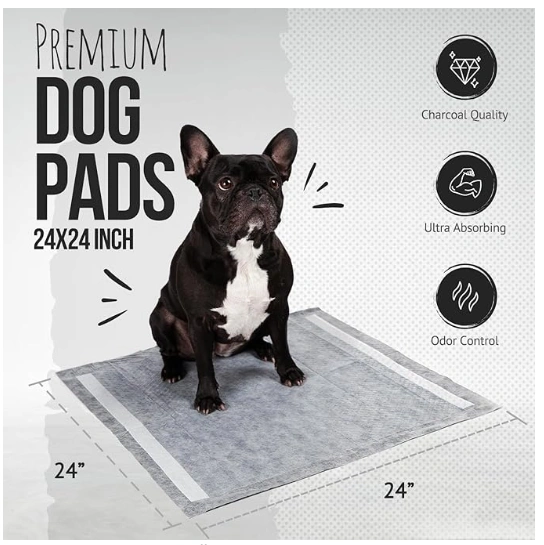
Almost 75% of puppy owners find it challenging to housebreak their dogs during the first few months. The difference can be rather significant depending on whether the carbon pee pads are safe for dogs.I’ve discovered that advanced tech potty training pads absorb and control smells like carbon-based materials. Pet owners who wish to reduce mishaps […]
Do pee pads work for older dogs?
Pee Pads for Older Dogs Do They Really Work? As our dogs get older, they might have trouble with incontinence or urination. Many older dogs face these issues, making care hard for their owners. Using pee pads work for older dogs with health or mobility problems. These pads offer comfort and keep our aging pets clean. We will look into how pee pads can help care for older dogs. They can make their lives better. Key Takeaways Understanding Why Older Dogs Need Pee Pads As dogs get older, they might face health problems. These can make it hard for them to go outside. Pee pads can help, making life easier for both dogs and owners. Common Urinary Issues in Senior Dogs Senior dogs often have trouble with their bladder. This can be due to weak muscles or other health issues. Some common problems include: These issues can really affect a dog’s life and the life of its owner. Benefits of Using Pee Pads for Aging Canines Pee pads offer many benefits for older dogs and their owners. Some key advantages are: Do Pee Pads Work for Older Dogs? Our Expert Analysis Our analysis looks at whether pee pads work for older dogs. As dogs get older, they might find it hard to keep clean. Pee pads can help with this. Types of Pee Pads for Senior Dogs There are many pee pads for senior dogs. They come in different types. Some soak up a lot, while others have a non-slip back to stop accidents. How to Successfully Train an Older Dog to Use Pee Pads Training an older dog to use pee pads needs patience and a plan. Step1: Introducing the Pee Pad First, put the pee pad in a spot your dog can find easily. Use words to get them to check it out. Step2: Positive Reinforcement Techniques Give treats and praise when your dog uses the pee pad correctly. This makes them like using it. Step3: Establishing a Routine Make a routine for pee pad use, like after meals and naps. Being regular helps a lot. Maintaining a Clean Environment with Pee Pads It’s important to change pee pads often. Pee pads with odor control also help keep smells down. Tips for a clean environment: Overcoming Common Challenges with Pee Pad Training Some dogs might not want to use pee pads. They might not like change or have accidents because of incontinence. Solutions to common challenges: Conclusion Choosing the right pee pad and sticking to a training schedule helps older dogs use them well. This makes their life and their owners’ lives better. Keeping the environment clean is very important. Our study found that senior dogs do well with pee pads if done right. Being patient and consistent is key to success. With the right pee pad and training, older dogs live better lives. Their owners also get a cleaner, easier-to-manage home. Using pee pads for senior dogs really works. FAQ Are pee pads effective for older dogs with mobility issues? Yes, pee pads work well for older dogs with mobility issues. They offer a convenient way for dogs to go without going outside. What are the benefits of using pee pads for senior dogs? Pee pads help reduce stress for dogs and owners. They improve hygiene and lower the risk of accidents. They’re also helpful during bad weather or when we’re away. How do I train my older dog to use pee pads? To train your older dog, start with a routine and positive reinforcement. Place the pee pad in a specific area and reward your dog when they use it. Being consistent is key. What type of pee pads are best for older dogs? Look for pee pads that are absorbent, comfy, and easy to clean. Ones with a non-slip bottom and odor control are best to keep your home fresh. Can pee pads help with urinary incontinence in older dogs? Yes, pee pads can help with urinary incontinence. They offer a safe and clean way for dogs to relieve themselves. They also reduce the risk of skin problems. How often should I change the pee pads for my older dog? Change pee pads often to keep things clean. How often depends on your dog’s needs and the pee pad’s absorbency. Are there any potentially harmful health risks for older dogs from using pee pads? Pee pads are generally safe but watch for skin irritation or allergies. Monitor your dog’s health and adjust pee pad use if needed.